
Material Study: Exploring Brick as a Contemporary Material in AR Design Studio Projects
Brick is one of architecture’s most enduring materials, yet its relevance in contemporary design continues to evolve. At AR Design Studio, material choices are never purely aesthetic; they are integral to how buildings respond to context, light, sustainability, and human experience. Brick, when re-examined through a contemporary lens, becomes a versatile and expressive material capable of grounding modern architecture while allowing innovation in form and detail.
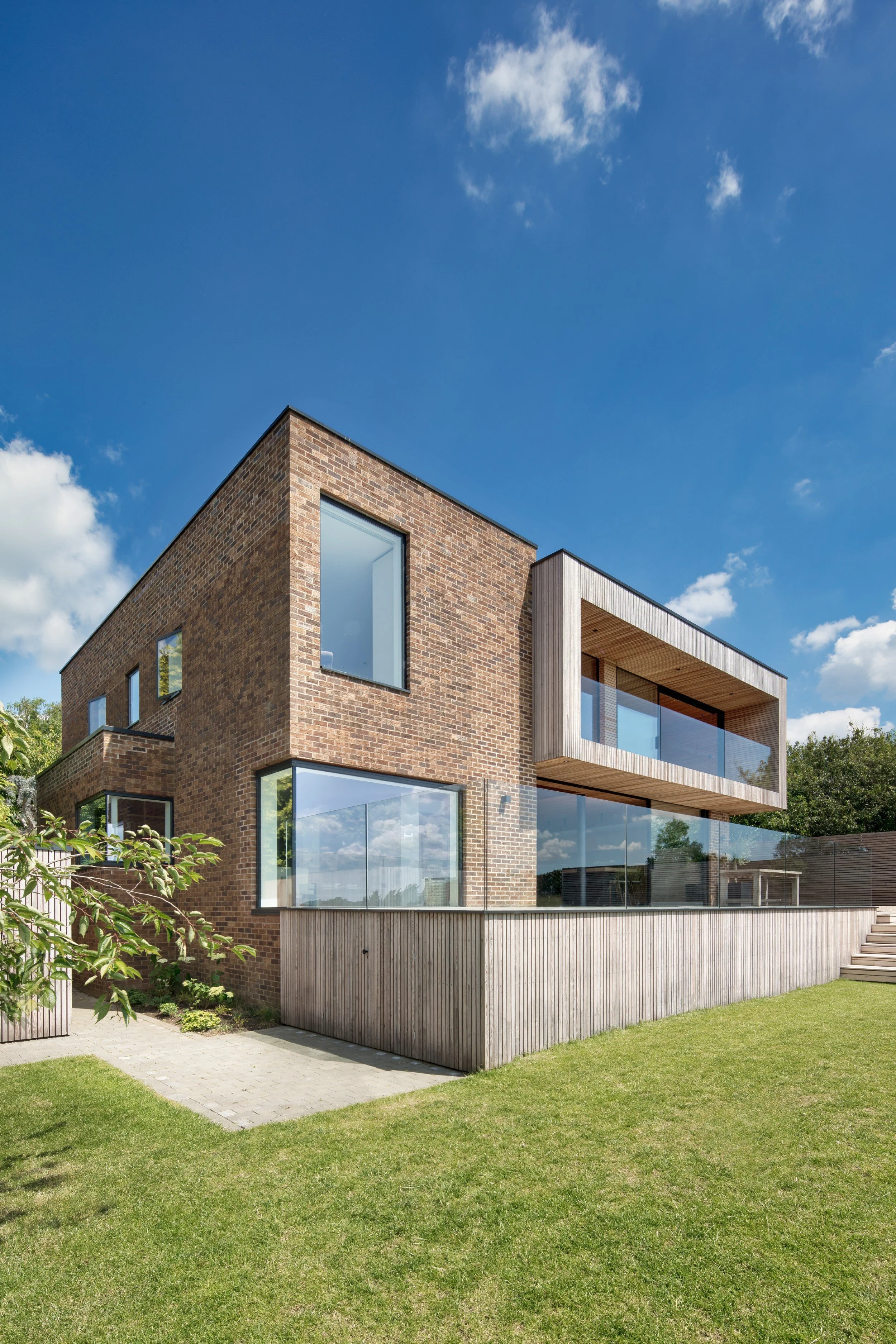
Re-thinking a Familiar Material
Traditionally associated with solidity and permanence, brick has long been used to establish a sense of place and continuity. In contemporary architecture, however, brick is no longer confined to conventional patterns or historic references. Through careful selection, detailing, and composition, it can support bold architectural ideas while retaining its inherent warmth and tactility.
At AR Design Studio, brick is often explored as a material that mediates between old and new, allowing contemporary buildings to sit confidently within established settings while clearly expressing their modern identity.
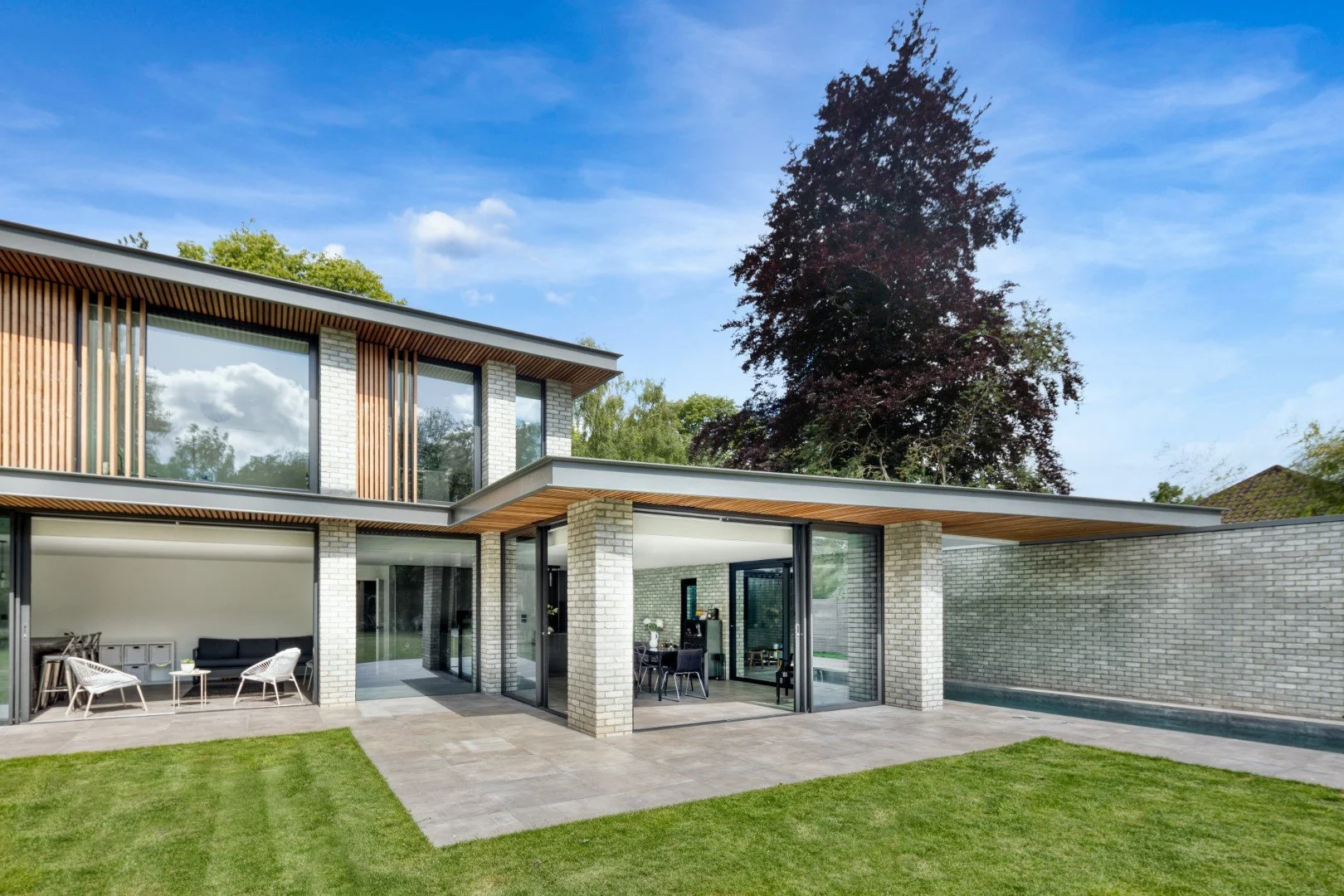
Brick and Context
One of brick’s greatest strengths is its ability to respond sensitively to context. Whether in urban environments or more rural settings, brick can echo local material traditions without imitation. Variations in colour, texture, and bond allow architects to subtly reference surroundings while maintaining a contemporary aesthetic.
Rather than blending in, brick is used to anchor buildings to their site, creating a dialogue between architecture and its environment. This approach ensures that modern forms feel rooted rather than imposed.
Texture, Light, and Depth
Unlike smoother contemporary materials, brick brings depth and shadow to façades. Its inherent texture allows buildings to change character throughout the day as light shifts across surfaces. Subtle detailing such as recessed joints, sculpted openings, or layered brickwork, enhances this interaction between material and light.
This tactile quality contributes to the sensory experience of architecture, making buildings that are not only visually engaging but also inviting at a human scale.
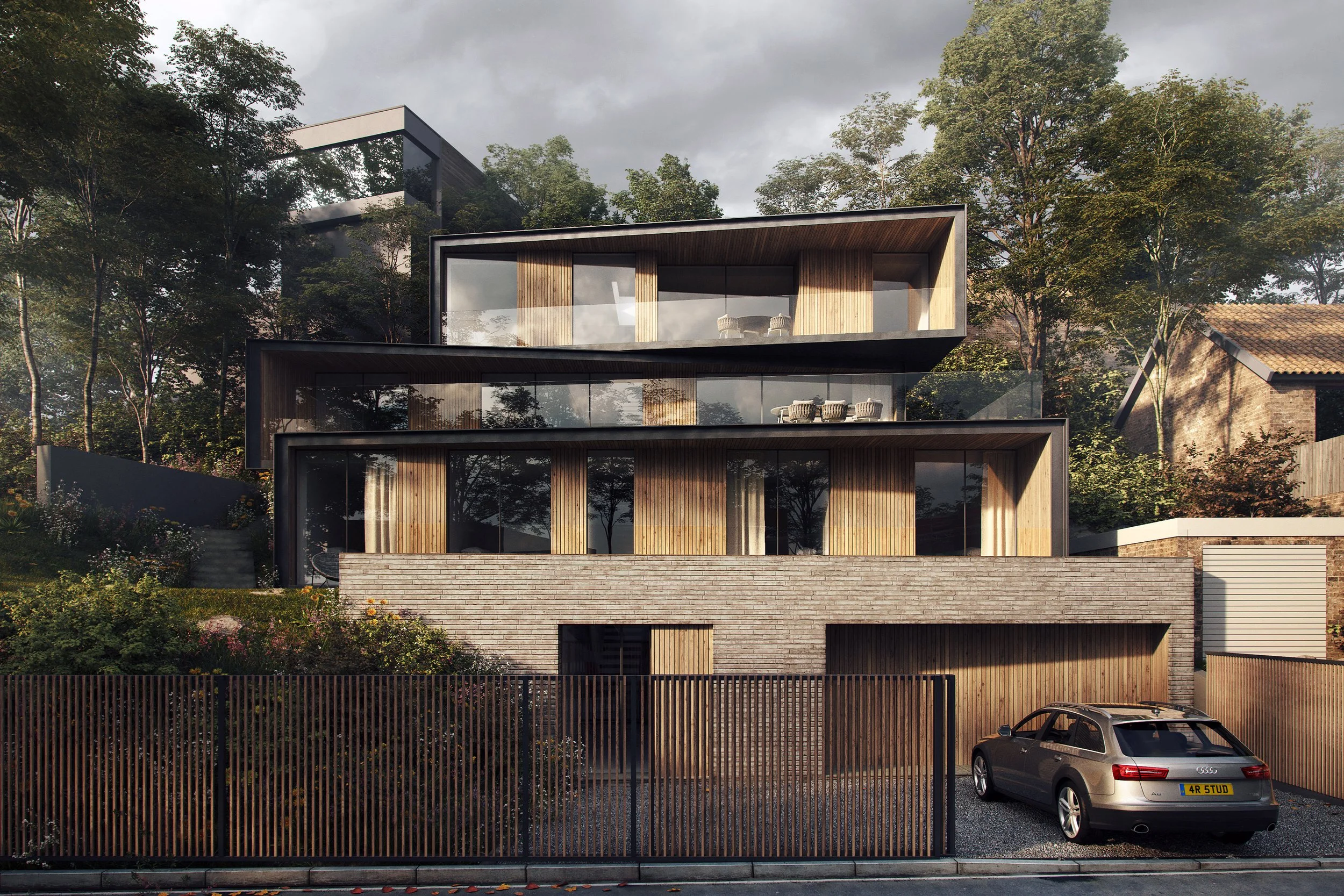
Brick as a Spatial Tool
In contemporary design, brick is increasingly used beyond the façade. It can define thresholds, frame views, and extend from inside to outside, blurring the boundary between interior and exterior spaces. Brick walls can act as both structural and spatial elements — guiding movement, shaping courtyards, or enclosing private outdoor spaces.
Used in this way, brick becomes an active participant in the architectural composition rather than a surface finish.
A Contemporary Palette
Modern brick architecture is no longer limited to traditional red tones. Muted greys, dark charcoals, and warm earth hues allow for more refined and restrained palettes that complement contemporary forms. These tones pair well with materials such as timber, glass, and metal, creating balanced compositions that feel both robust and elegant.
This broader material palette enables brick to support clean lines and minimal detailing, key characteristics of contemporary architecture.
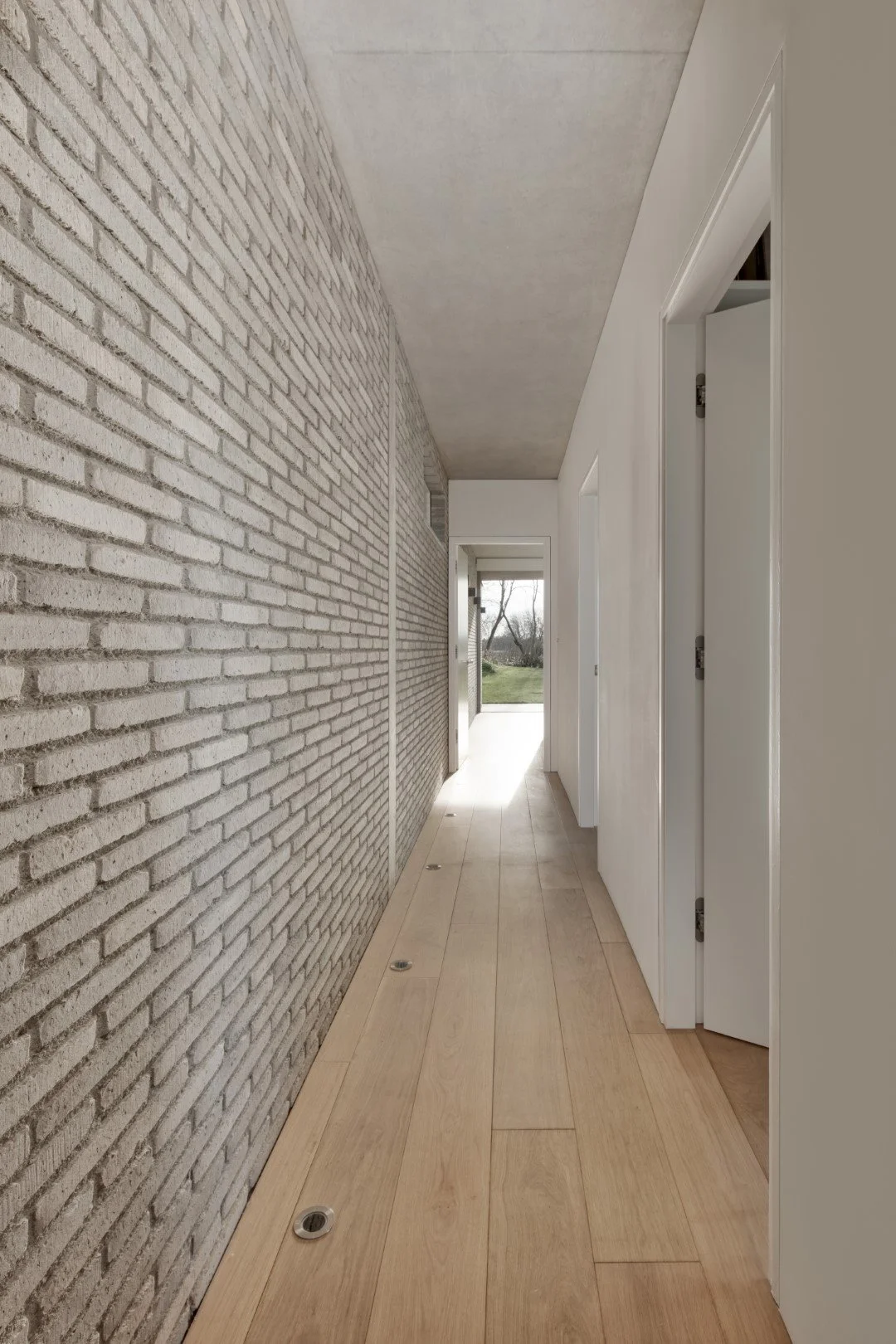
Sustainability and Longevity
Brick’s durability and long lifespan make it a strong choice within sustainable design strategies. When specified thoughtfully, it can contribute to thermal performance, reduce maintenance requirements, and support buildings designed to age gracefully over time.
For AR Design Studio, sustainability is not only about performance metrics but also about creating architecture that remains relevant and resilient for generations. Brick’s permanence plays a key role in achieving this ambition.
Explored through a contemporary design approach, brick is far from traditional or limiting. Its adaptability, texture, and contextual sensitivity make it a powerful material for modern architecture. At AR Design Studio, brick is embraced not for nostalgia, but for its ability to support thoughtful, grounded, and enduring design.
By re-imagining how this familiar material is used, brick continues to offer new possibilities, proving that even the most established materials can remain vital in contemporary architectural practice.